Which Activewear Fabrics Actually Survive Dog Claws - and Which Snag on the First Jump
Quick Answer: Snag resistance is about knit structure far more than about fiber content. A tightly knit, flat-faced fabric resists a claw; a loose, lofty, or brushed knit catches it. The most durable choices for pet households: high-denier tightly woven nylon blends, double-knit ponte, and flat-faced compression fabrics. The worst: brushed fleece, loose-gauge sweater knits, ribbed textures, and anything with a visible loop or a peached surface. A fingernail test at the store predicts this better than any label.
The good news is that the toughest fabrics are also the ones that hold shape longest.
Here is how to identify them by feel.
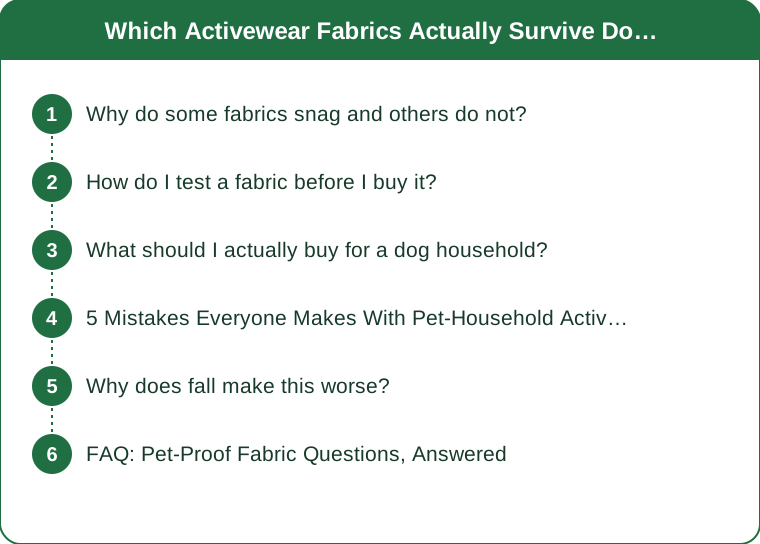
Why do some fabrics snag and others do not?
Because a snag needs a loop to catch, and knit structure determines whether there are any.
Knit fabric is made of interlocking loops. A claw that gets under a loop and pulls drags a length of yarn out of the structure. The tighter and flatter the knit, the less loop there is to catch.
Loose or lofty knits offer plenty. Brushed fleece, sweater knits, and anything with a raised surface has fibers standing proud of the fabric face - exactly what a claw engages first.
Woven fabric resists better in general because the yarns cross over and under each other rather than looping. A tightly woven nylon is difficult to snag at all, which is why hiking pants survive what leggings do not.
Fiber matters less than people assume, with one exception. Nylon is meaningfully more abrasion-resistant than polyester at comparable construction, which is why it dominates in gear built to take damage. But a loose nylon knit still snags more easily than a tight polyester one - structure wins.
And denier tells you something real. Higher denier means thicker yarn, which means more material for a claw to work through. It appears more often on outdoor gear than on activewear, and when you see it, it is useful information.
How do I test a fabric before I buy it?
Three tests, all doable in about fifteen seconds in a store.
1. The fingernail test. Drag a fingernail firmly across the fabric surface. If fibers lift or you feel the nail catch, a claw will do far worse. A snag-resistant fabric feels like your nail is sliding over glass.
2. The stretch-and-look test. Stretch the fabric and hold it up to a light. A dense knit shows a fine, even grid; a loose one shows visible gaps. Gaps are where claws get in - and this test also tells you about opacity, so it does double duty.
3. The surface test. Run your palm across it. Smooth and flat is good. Fuzzy, peached, brushed, or textured is not. That soft hand-feel that makes brushed fabric so appealing comes from raised fibers, which is precisely the vulnerability.
Online, look for the words that correlate: double-knit, ponte, high-denier, ripstop, tightly woven, matte compression. Avoid: brushed, peached, buttery, cloud-soft, waffle, ribbed, and boucle - every one of those describes a surface with something standing up.
And check the reviews for the specific word. Pet owners mention snags by name. A product with several reviews mentioning snags has a structural problem, not a batch problem.
What should I actually buy for a dog household?
By category, with the trade-offs stated.
For walks and outdoor time: tightly woven nylon. Hiking-style pants and joggers in high-denier nylon are close to claw-proof. The trade is less stretch, though modern nylon-elastane blends are far more comfortable than the category used to be.
For everyday leggings: flat-faced compression fabric. A dense, matte, high-compression legging resists snags well and holds shape. Avoid the buttery-soft category entirely if snags are your main problem - that surface is peached, and peached is fragile.
For tops: double-knit or ponte. Dense, stable, and holds up to jumping. Skip the loose-gauge sweater knits, which are the single worst category for claws.
For layers: ripstop. The grid of reinforcement yarns is designed to stop a small tear from spreading. It does exactly what its name says, and it fails gracefully rather than catastrophically.
Colors and textures that hide what does happen: heathered and marled fabrics hide small snags well; flat solid black shows every one. A small print is the most forgiving of all.
And on hair rather than claws: tightly woven and smooth fabrics also release hair far better. Fleece and brushed surfaces grab hair and hold it, so the same choice solves both problems.

5 Mistakes Everyone Makes With Pet-Household Activewear
1. Pulling a snag out. The instinct is to yank the loop free. That unravels more of the structure and turns a snag into a hole. Instead, push the loop back through to the inside with a blunt needle or the tip of a crochet hook.
2. Cutting the loop. Cutting releases the yarn end into the knit, and the run continues from there. Cutting a snag on a knit is the most reliable way to create a hole.
3. Washing snagged items with everything else. A loose loop catches on zippers and hooks and gets pulled further. Mesh bag, or repair it first.
4. Buying the softest thing on the rack. Soft hand-feel and snag resistance are close to inversely related. The fabric that feels best in the store is usually the one that will not survive your dog.
5. Ignoring claw length. The most cost-effective intervention is not a fabric at all. Regularly trimmed nails reduce snags dramatically, and they are better for the dog’s joints. A dog whose nails click on hard floors has nails long enough to catch fabric.
Why does fall make this worse?
Three reasons, and they compound.
More layers means more fabric surface exposed. Summer walks in shorts and a tank give a claw very little to catch. A fall outfit with leggings, a long sleeve, and a fleece triples the target area - and one of those three is usually the most fragile thing you own.
Fleece arrives. The single worst category for both snags and hair comes out of storage in September. A fleece pullover is a claw magnet and a hair magnet at once, which is why it always looks worse than everything else you own.
Dogs are more energetic in cool weather. Activity levels rise as temperatures drop, which means more jumping and more enthusiastic greetings. The behavior that causes snags peaks exactly as the vulnerable fabrics come out.
And wet weather adds abrasion. Damp fabric is weaker under stress, and mud plus grit acts as an abrasive on every surface. A wet fall walk is genuinely harder on clothing than a dry summer one.
The practical response: designate one outer layer as the dog layer. A tightly woven nylon shell that lives by the door and takes all the damage protects everything underneath, and it costs less than replacing three sweaters.
FAQ: Pet-Proof Fabric Questions, Answered
Can a snag be repaired invisibly?
Often, yes. Push the loop through to the inside with a blunt needle rather than pulling or cutting it, then gently stretch the fabric around the area to redistribute the yarn. On dense knits the result is usually close to invisible.
Is merino wool a bad choice with pets?
It snags more easily than a tight synthetic because the knit is typically looser and the surface is not flat. It is worth it for warmth and odor resistance if you can keep it away from claws - as a mid-layer rather than an outer layer.
Does fabric softener help with pet hair?
It reduces static, which does help hair release - but it also coats performance fabrics and degrades their wicking. For activewear, use a dryer ball or a damp-cloth wipe-down instead, and keep softener away from it entirely.
TL;DR:
- Knit structure beats fiber content - tight and flat resists claws, lofty and brushed catches them.
- Do the fingernail test. If your nail catches, a claw will destroy it.
- Best bets: high-denier nylon, ponte double-knit, flat-faced compression, ripstop. Worst: fleece, sweater knits, anything peached.
- Never pull or cut a snag - push the loop through to the inside with a blunt needle.
- Trim the nails. The cheapest and most effective fabric protection is not fabric.
Run the fingernail test on the piece your dog has damaged most. It will explain the last two years of your laundry pile in about four seconds.
See It in Motion
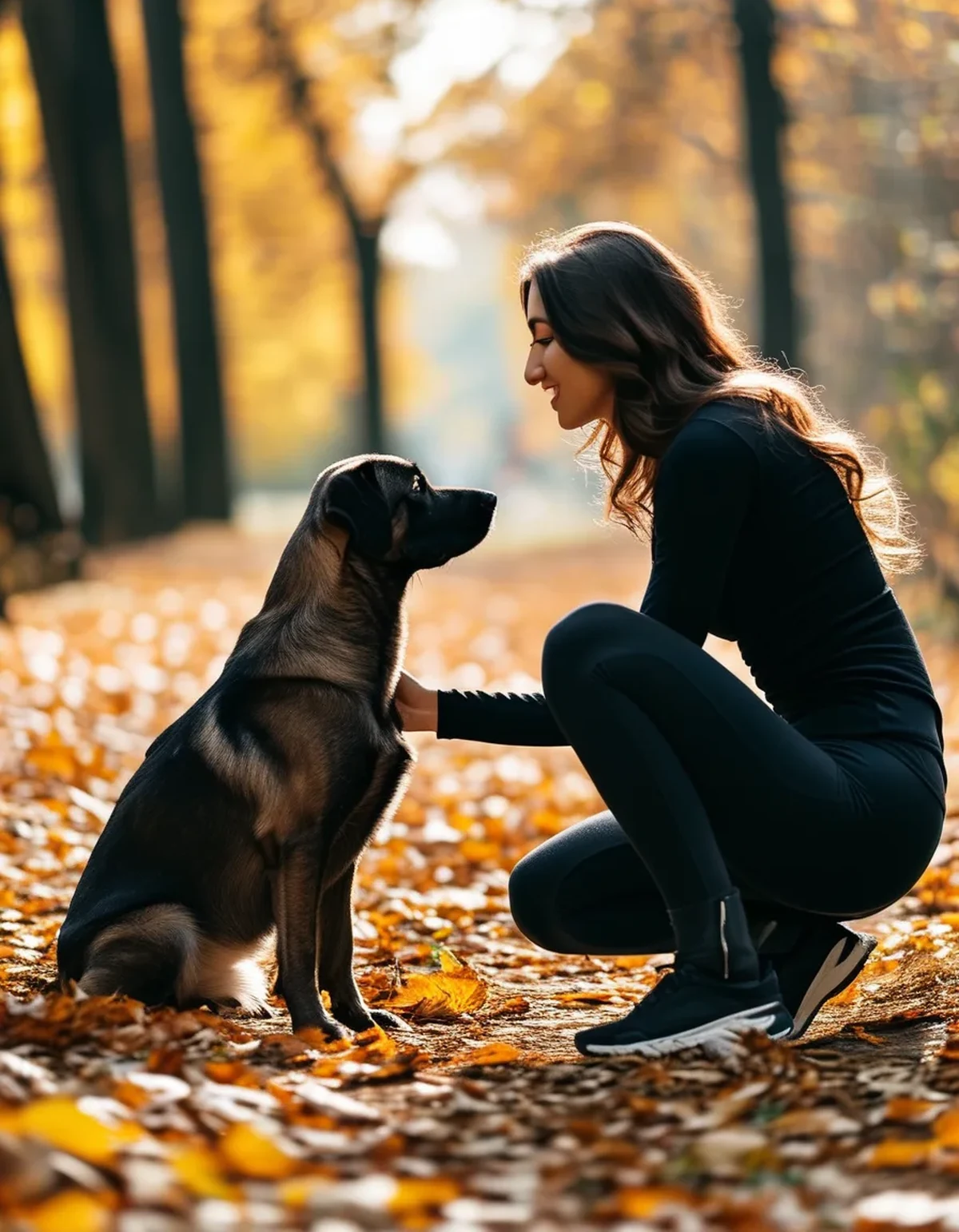
Seen here: High Waist Embossed Yoga Leggings with Side Pockets — shop it on bubblelime.com
Keep Reading
This article is for general informational and styling purposes only. Fit, sizing, and product availability may vary.