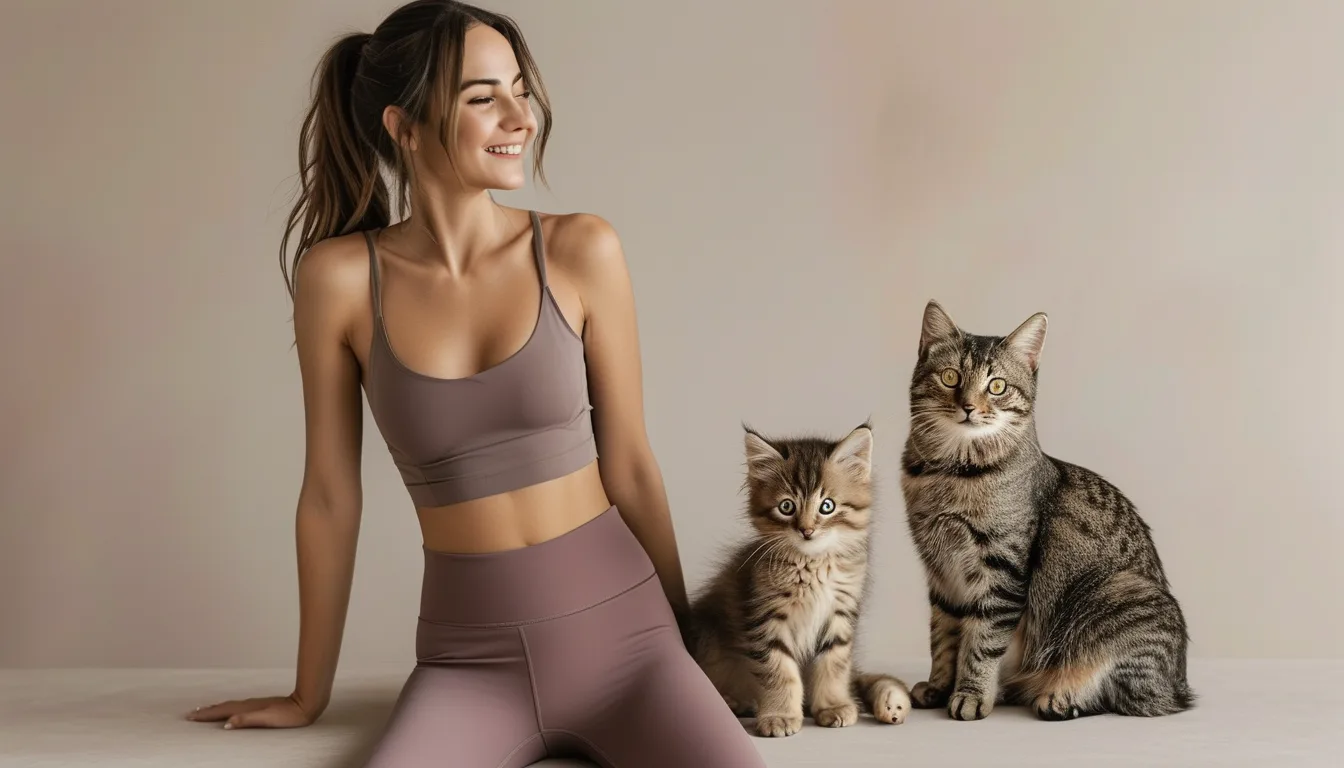
Why Dog Hair Embeds in Some Activewear and Brushes Off Others
Quick Answer: Pet hair embeds when a fabric has a napped or brushed surface with raised fibers for hair to hook into, when the knit is loose enough for hair to penetrate between loops, and when static charge attracts and holds it. Smooth, tightly knit synthetics with a flat face release hair easily. Brushed fleece, French terry, and anything with a soft hand are the worst offenders — the same quality that makes them feel nice is the one that traps hair.
If you own a shedding dog, this is a purchasing criterion, not a laundry problem.
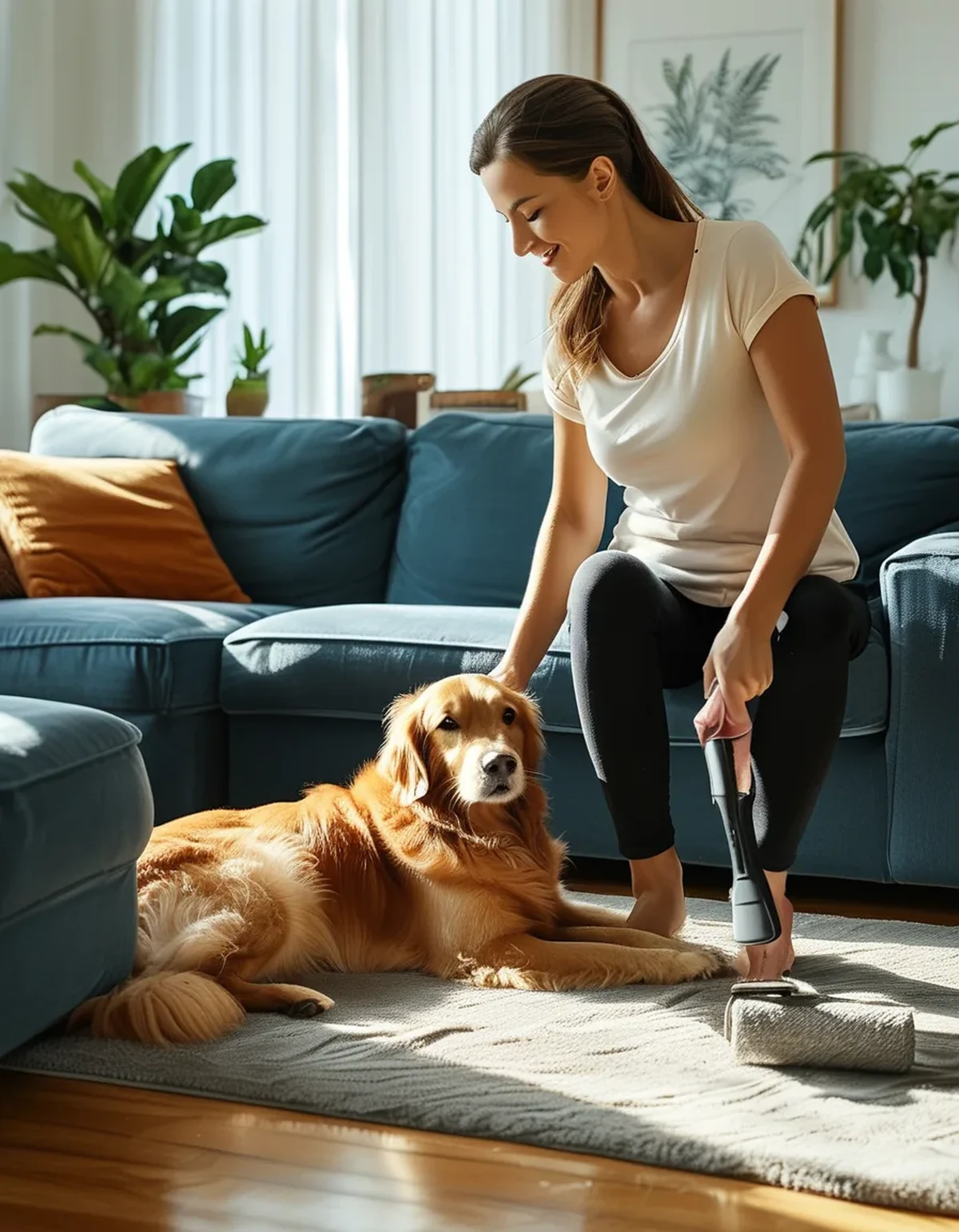
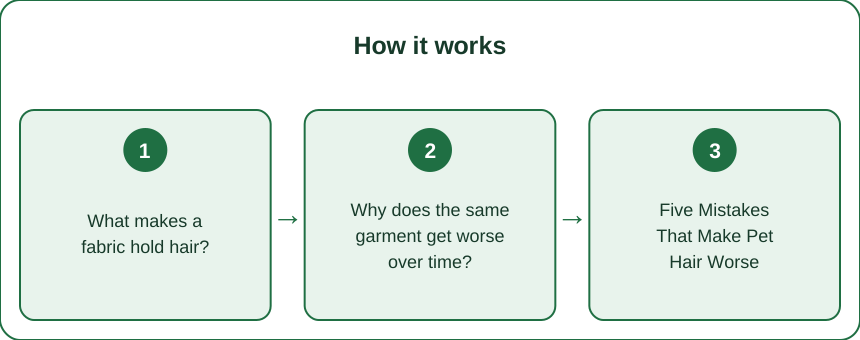
What makes a fabric hold hair?
Three properties, and they often occur together.
Surface nap. A brushed or napped finish has thousands of raised fiber ends standing up from the fabric surface. Pet hair — which has a scaled cuticle surface, not a smooth one — catches on those raised ends mechanically. This is the biggest single factor, and it is why the inside of a fleece-lined legging is far worse than the outside.
Knit openness. A loose knit has gaps between loops. Fine hair works into those gaps and then sits inside the fabric structure rather than on top of it, where no amount of surface brushing will reach. This is why some hair survives a wash cycle and reappears in the dryer.
Static charge. Synthetic fibers accumulate static readily, especially in dry air. A charged garment actively attracts hair from a distance and holds it electrostatically. This is why the problem gets dramatically worse as humidity drops in autumn — the same garment that was manageable in August becomes a magnet in October.
The fabrics that release hair well have the opposite profile: a flat, smooth face with no nap, a tight knit, and either lower static tendency or an anti-static finish. Tightly woven nylon and smooth polyester interlock are the standouts.
Why does the same garment get worse over time?
Because pilling creates nap where there was none.
A new smooth-face legging has a flat surface. After 30 or 40 wash and wear cycles, abrasion has broken fiber ends and pulled loops slightly proud of the surface. You have effectively manufactured a nap, and hair now catches where it previously did not.
The areas that pill first are the ones with the most abrasion — inner thigh, seat, behind the knee — which is exactly where people notice hair accumulating on older garments.
Washing accelerates this. Long cycles, hot water, and fabric softener all contribute. Fabric softener is a specific culprit for two reasons: it deposits a residue that increases surface roughness at a microscopic level, and it changes the fiber surface in ways that can worsen static in some synthetics rather than reduce it.
Dryer time matters too. Heat plus tumbling produces the most fiber damage of any laundry step, and a heavily tumbled garment develops surface fuzz faster than an air-dried one.
The practical implication: the anti-hair properties of a garment are consumable. Protecting them means short cold cycles, no softener, and minimal dryer use — which happen to be the same practices that preserve elastane.
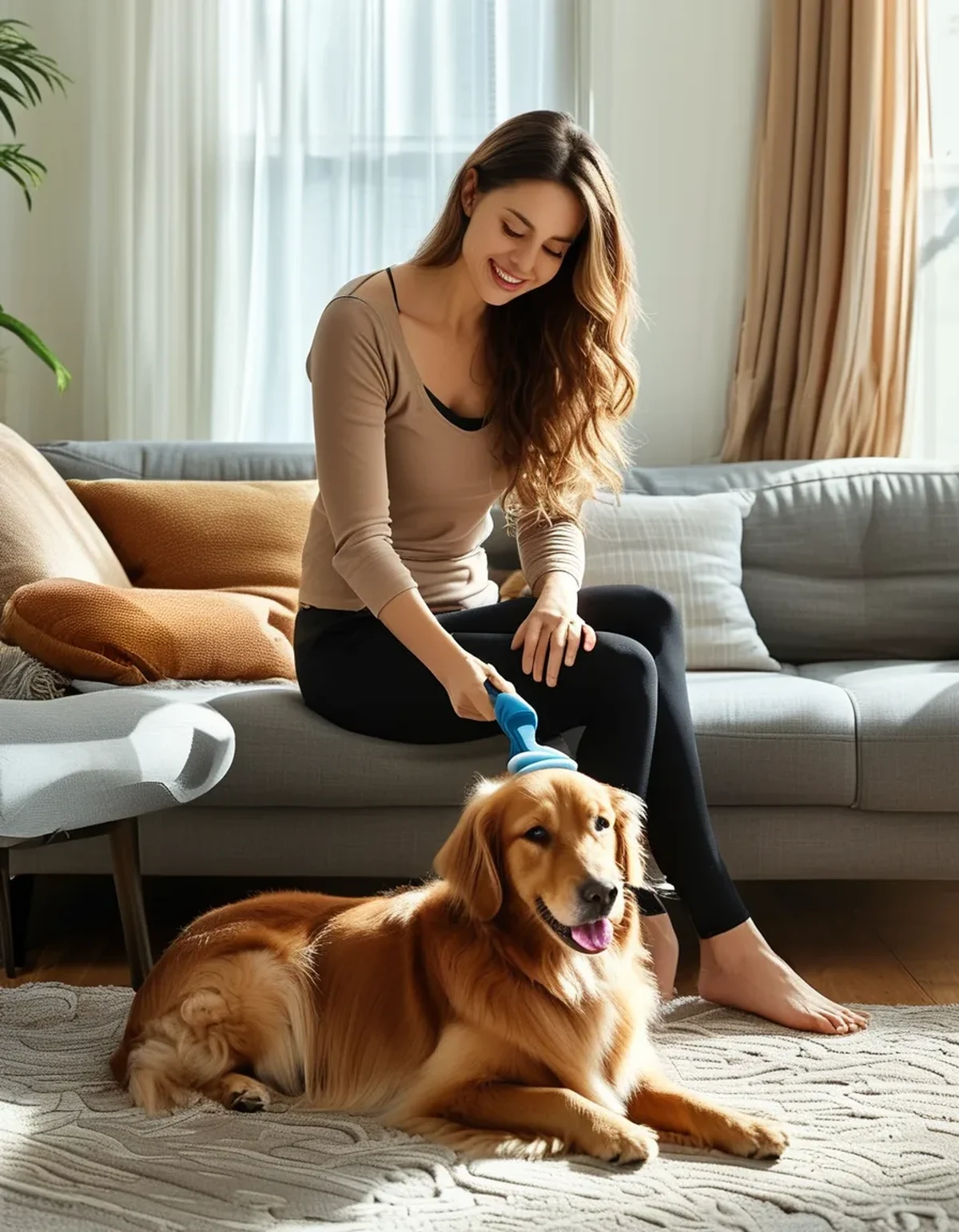
Five Mistakes That Make Pet Hair Worse
Washing pet-hair clothing with everything else. Hair released in the wash redistributes to every other garment in the load. Washing dog-walk clothes as a separate small load contains the problem instead of spreading it.
Using fabric softener to reduce static. It reduces static on cotton and can worsen the overall hair situation on synthetics through residue buildup. A dryer ball or a short anti-static dryer sheet is a better tool if static is the issue.
Lint rolling before shaking. Taking the garment outside and shaking it hard removes a large share of loosely held hair in five seconds, which makes the lint roller far more effective on what remains. Rolling first just wastes sheets.
Skipping a dryer pre-cycle. Running pet-hair clothing in the dryer on air-fluff with a dryer sheet for 10 minutes before washing pulls a substantial amount of hair into the lint trap where it belongs, rather than into the washing machine where it recirculates.
Buying brushed fleece for dog walks because it is warm. It is the single worst fabric category for this problem. A smooth-face insulated layer over a thin base achieves the same warmth with a fraction of the hair, which matters more as walks get colder and layers get heavier.
What should you actually buy?
Judge by hand, not by label.
Run your palm across the fabric face. If it feels soft, brushed, or slightly fuzzy, it will hold hair. If it feels smooth and cool with a slight slip, it will release hair. This test takes two seconds and is more reliable than any product description.
Check both faces. Many leggings are smooth outside and brushed inside. The inside face matters less for visible hair but matters a lot for hair that transfers from your other clothes and from furniture.
Favor tightly knit nylon-elastane blends for dog walking specifically. They are smooth, dense, and among the best at releasing hair. Polyester interlock is a close second.
Avoid French terry, brushed fleece, and anything described as buttery or peached for walking clothes. Save them for indoor wear where the hair exposure is lower and the comfort is the point.
Consider color deliberately. This is not about hiding — hair on a matching color is still there and still transfers to car seats and furniture. But if you have one dog and one dominant coat color, owning walking clothes in a related tone genuinely reduces how much the problem occupies your attention.
And one seasonal note: shedding increases in autumn as the summer coat comes out. The fabric that was adequate in July may not be in September, which is worth knowing before you conclude your laundry routine broke.
FAQ: Pet Hair on Clothing, Answered
Does a rubber glove really work better than a lint roller?
On upholstery and heavier fabric, yes — a damp rubber glove drags embedded hair out through friction in a way adhesive cannot. On smooth activewear a lint roller is faster and adequate.
Will an anti-static spray help?
On synthetics in dry weather, meaningfully. Static is a large share of the problem in low humidity, and reducing it stops the garment attracting hair from a distance. It does nothing for mechanically embedded hair.
Why does hair reappear after washing?
Because hair that penetrated into the knit structure was never on the surface to be washed away. The wash agitation can even work it deeper. A pre-wash dryer cycle is the most effective way to prevent this.
TL;DR:
- Nap, loose knit, and static are the three things that make fabric hold hair.
- Smooth, tightly knit nylon or polyester releases hair; brushed fleece and French terry trap it.
- Pilling creates nap over time, so anti-hair performance degrades — protect it with cold short washes and no softener.
- Run the garment in the dryer on air-fluff for 10 minutes before washing, and shake outside before lint rolling.
Run your hand across your two worst offenders and your two best. The difference in surface feel is the whole explanation, and it is the test to use before your next purchase.
See It in Motion
Seen here: Super High Waist Embossed Yoga Leggings with Inner Pocket — shop it on bubblelime.com
Keep Reading
This article is for general informational and styling purposes only. Fit, sizing, and product availability may vary.