Why Dog Walk Shoes Wear Unevenly and What It Says About Your Pace
Quick Answer: Dog walking is asymmetric by design - the lead is in one hand, the dog is on one side, and stop-start pacing means you are constantly decelerating and accelerating rather than walking steadily. That produces a specific and predictable wear pattern: more wear on the lead-side shoe, more heel scuffing from repeated braking, and often a twisted wear mark from pivoting to check on the dog. Alternating lead hands and using a longer lead fixes most of it.
And the wear pattern is genuinely readable - it tells you what your walk is doing to your body.
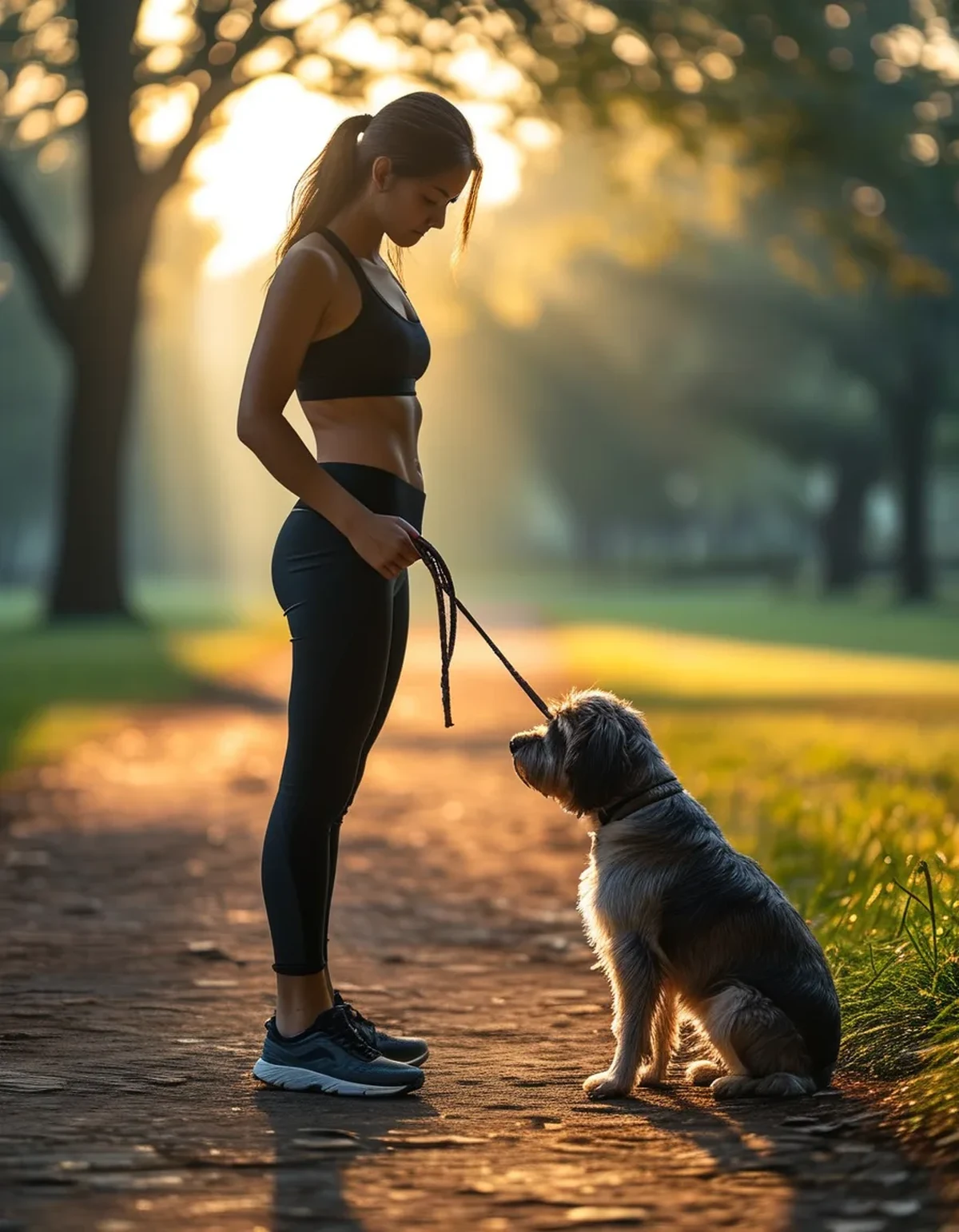
Why is dog walking so asymmetric?
Because almost every element of it happens on one side.
The lead loads one arm continuously. Even a well-behaved dog produces intermittent tension, and that tension is transmitted through the shoulder into the torso, subtly rotating you toward the dog side. Over 45 minutes, a small rotation held continuously changes how each foot lands.
Stop-start pacing is not walking. A steady walk has a consistent gait cycle. A dog walk is a series of accelerations, decelerations, and pauses - and braking loads the heel far more than steady walking does. The scuffed heel edge is a braking signature.
You pivot to check on the dog, always in the same direction. Dozens of small rotations per walk, all one way. This produces a twisting wear mark under the ball of the foot on the pivot side, which is one of the most recognisable dog-walker wear patterns.
And your posture leans away from the pull. If the dog pulls, you counter-lean. A sustained counter-lean shifts your weight distribution toward the outside of one foot and the inside of the other, which is exactly the asymmetric wear people notice.
None of this is dramatic in a single walk. Over 300 walks a year, it accumulates into measurable, one-sided wear and sometimes into one-sided hip or knee discomfort.
What do the wear patterns actually tell you?
A readable diagnostic on the sole of your shoe.
Heavy outer heel wear, worse on one side: you are counter-leaning against a pull. The more asymmetric it is, the more consistent the pull. This is the most common pattern and the one most associated with hip discomfort.
Scuffed rear heel edge on both shoes: braking. You are decelerating frequently, which means the pace is being set by stops rather than by you. Not harmful, but it tells you the walk is not providing steady cardiovascular work.
Twisted or circular wear under the ball of one foot: pivoting, always in the same direction. Alternating your lead hand resolves this directly.
Inner forefoot wear on the non-lead side: compensating rotation. Your body is countering the torso rotation the lead creates, and that compensation lands on the opposite foot.
Toe scuffing on one shoe: often catching the toe while looking down or stepping over the lead. Worth noticing because toe catching is also a trip risk, particularly on uneven ground and in low light.
And even wear on both shoes: you are either alternating hands already or the dog does not pull. This is what you are aiming at, and it is achievable.
Check both shoes side by side on a table rather than glancing at them on your feet - the asymmetry is much clearer that way.
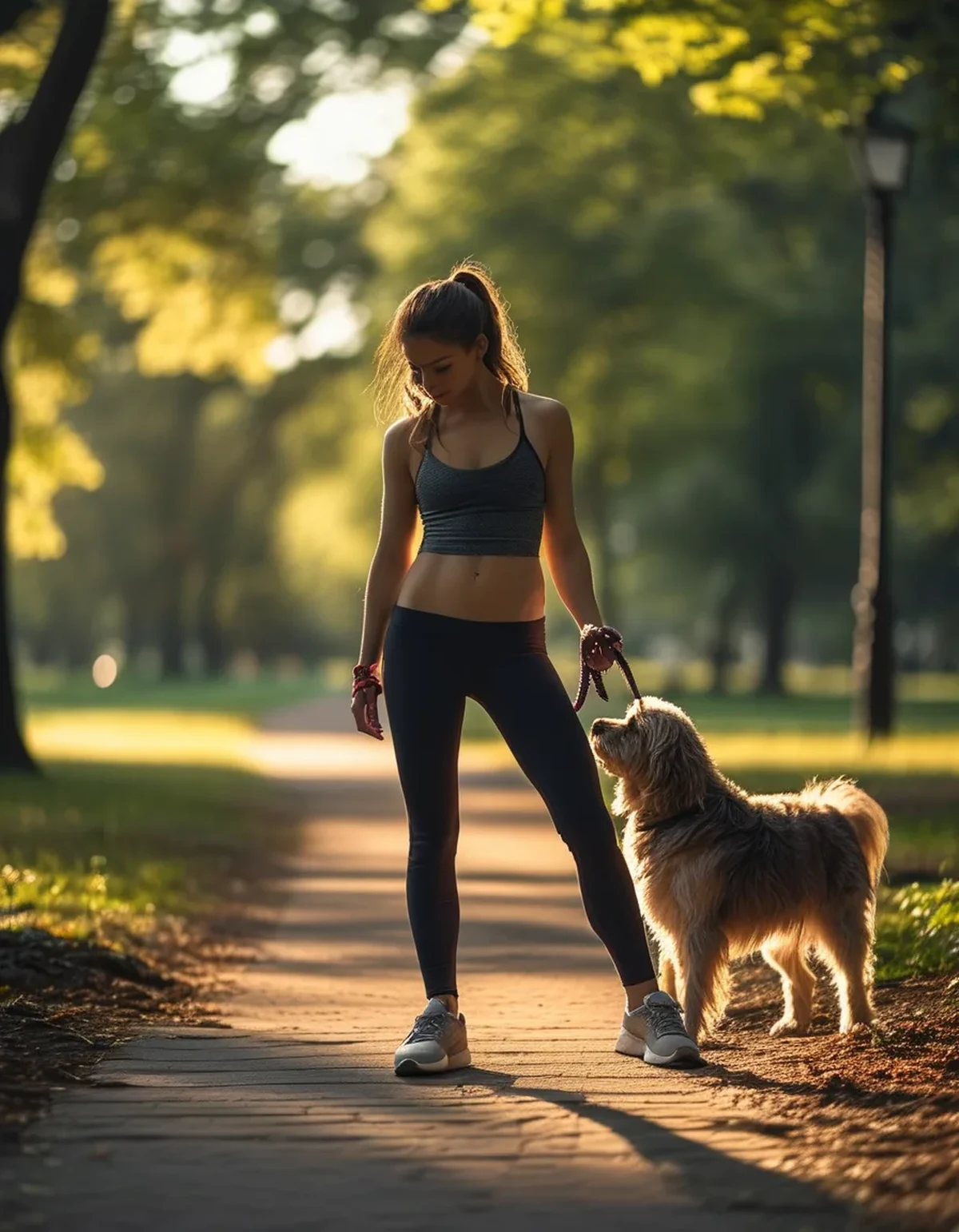
What Nobody Tells You About Dog Walking as Exercise
It is not the cardiovascular exercise it looks like. Stop-start pacing with frequent pauses produces far less continuous cardiovascular work than the duration suggests. An hour of sniffing walks is not an hour of walking exercise - which is fine, unless you were counting it as your training.
It is more postural load than most people account for. A pulling dog on a short lead is genuine sustained resistance through one shoulder. Over a year that is a real one-sided training stimulus, and not one you designed.
Two shorter walks with different lead hands beat one long walk. The asymmetry accumulates with duration, so splitting the walk gives you a natural point to switch sides.
Lead length changes your gait more than lead type. A longer lead lets the dog move without transmitting every change to you. A 2m lead produces noticeably less postural interference than a 1.2m one, and considerably less than a retractable held at short extension.
And the surface matters more than for ordinary walking, because you are not looking where you are going. You are watching the dog. This is why dog walkers roll ankles at a higher rate on uneven ground - and why autumn leaf cover, which hides holes and roots, is a genuine seasonal hazard.
Shoes wear out faster too. Wet grass, mud, and the abrasion of frequent braking shorten shoe life relative to the same mileage on pavement.
What should you actually change?
Six adjustments, in order of impact.
1. Alternate lead hands, deliberately. Every walk, or at the halfway point of each walk. This single change resolves most of the asymmetry and takes no effort beyond remembering. Pick a landmark on your route as the switch point.
2. Use a longer lead where it is safe. 2m or more lets the dog move without transmitting to you. Retractables held at short extension are the worst option for your body, because they maintain constant tension by design.
3. Train the pull, not just your posture. A dog that does not pull removes the problem at source. This is the real fix, and everything else is compensation - worth saying plainly even though it is the slowest option.
4. Add a deliberate steady walk. If dog walks are your main activity, add ten to fifteen minutes at your own pace at the end - after the dog has sniffed itself out. That is where the cardiovascular benefit actually lives.
5. Replace shoes on wear, not on mileage. Uneven wear changes how the shoe supports you, and a shoe worn asymmetrically starts causing the problem it recorded. Check them monthly.
6. Watch your feet on leaf-covered ground. Deliberately look ahead at intervals rather than watching the dog continuously. The autumn ankle roll is common and entirely preventable.
If you already have one-sided hip, knee, or lower back discomfort, alternating hands is a reasonable first experiment, and persistent pain is worth having assessed rather than walked through.
This is general information, not medical advice.
FAQ: Dog Walking and Wear, Answered
Should I really switch which hand holds the lead?
Yes - it is the single most effective change. Alternate every walk, or switch at a fixed landmark halfway through. The dog adapts within a few walks.
Are retractable leads worse for my posture?
Held at short extension, yes - they maintain constant tension by design, which is exactly the sustained one-sided load that causes the problem. A fixed longer lead is better for your body.
Does dog walking count as exercise?
It counts as movement, which is genuinely valuable. As cardiovascular training it is limited by the stop-start pacing. Adding ten to fifteen continuous minutes at your own pace at the end changes that.
What does scuffing at the back of the heel mean?
Braking - frequent deceleration. Common in dog walking and not harmful in itself, but it indicates the pace is being set by stops rather than by you.
How often should I replace dog walking shoes?
Check monthly and replace on wear rather than mileage. Wet grass, mud, and braking abrasion shorten shoe life relative to pavement walking.
Could this cause hip pain?
Sustained asymmetric loading can contribute to one-sided discomfort. Alternating lead hands is a sensible first change, and persistent pain is worth having assessed properly.
TL;DR:
- Dog walking is asymmetric by design - lead on one side, pivoting one way, constant stop-start braking.
- Wear patterns are readable: outer heel = counter-leaning against a pull; scuffed rear heel = braking; twisted forefoot = one-way pivoting.
- Alternating lead hands is the single most effective fix, followed by a longer fixed lead instead of a short retractable.
- It is movement rather than cardiovascular training - add ten to fifteen continuous minutes at your own pace at the end.
- Replace shoes on wear, not mileage - an asymmetrically worn shoe starts causing the problem it recorded.
- Watch for leaf-covered ground in autumn; dog walkers roll ankles because they are watching the dog.
Put both shoes on a table and look at the soles. The walk has been writing you a report all year.
This is general information, not medical advice.
Keep Reading
This article is for general informational and styling purposes only. Fit, sizing, and product availability may vary.