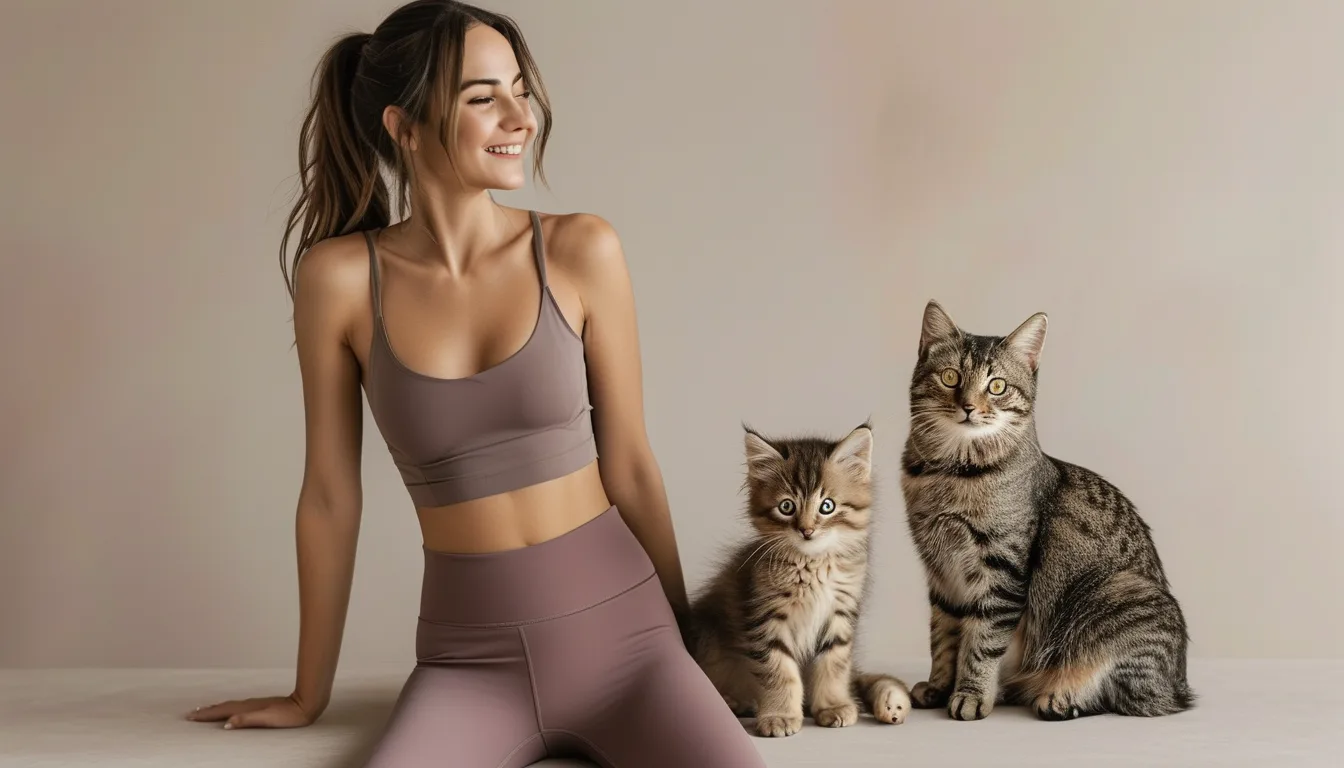
Why Static Makes Pet Hair Cling to Activewear Once Autumn Arrives
Quick Answer: Pet hair clings more in autumn because indoor air gets drier once heating starts, and dry air lets static charge build on synthetic fabrics instead of dissipating. Polyester and nylon activewear are among the worst offenders, and fleece is the worst of all. The practical fixes are raising indoor humidity, avoiding the dryer or using wool dryer balls, using a fabric conditioner on non-technical items only, and choosing fabric blends that hold less charge. Fabric softener works and should never go on moisture-wicking activewear.
All summer the dog hair brushed off. Now a single lap-sit leaves your leggings looking like they have grown a coat, and the lint roller lasts about four days.
This blog has covered which fabrics repel pet hair and why autumn walks wreck activewear faster, and static is the specific mechanism behind the seasonal change.
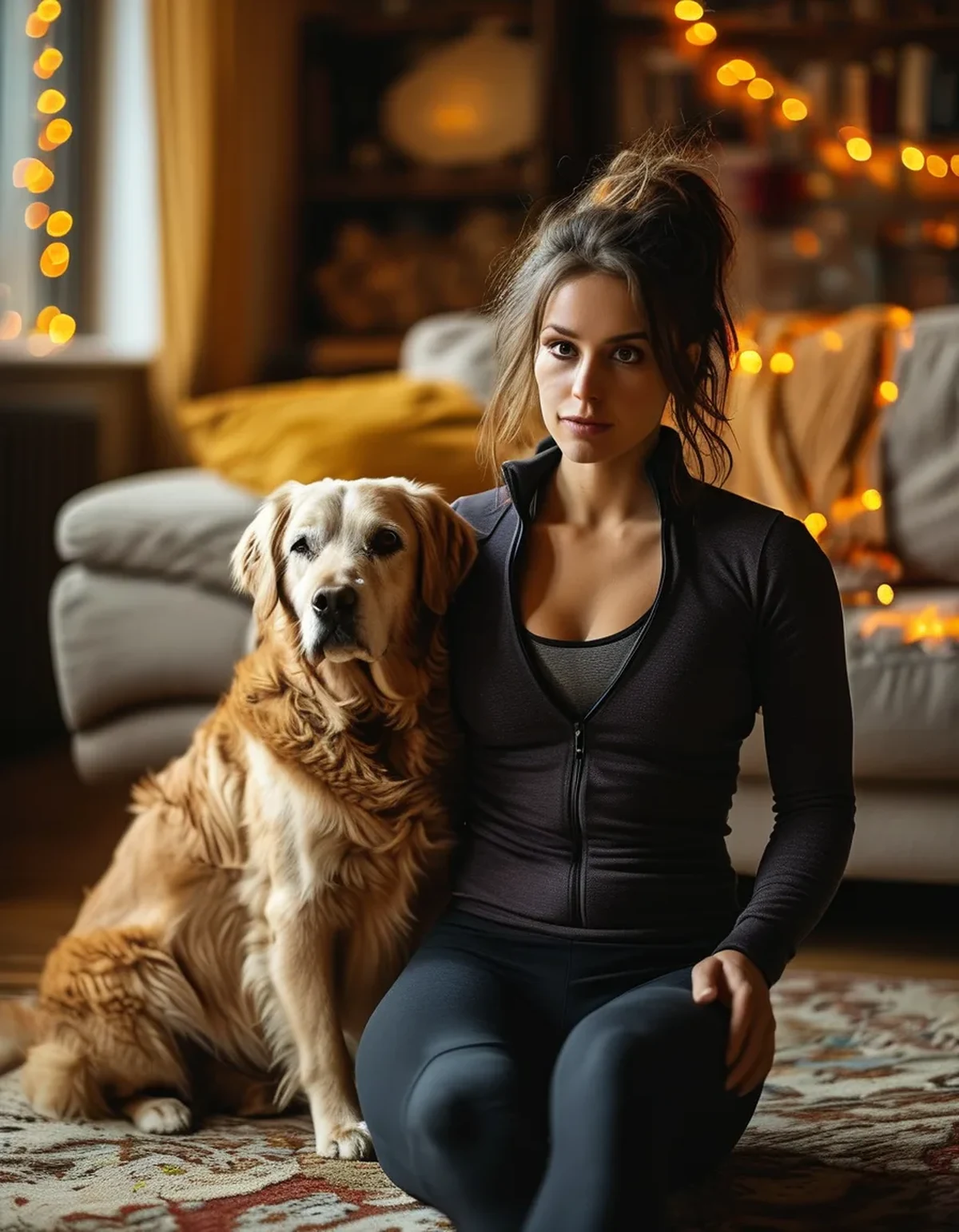
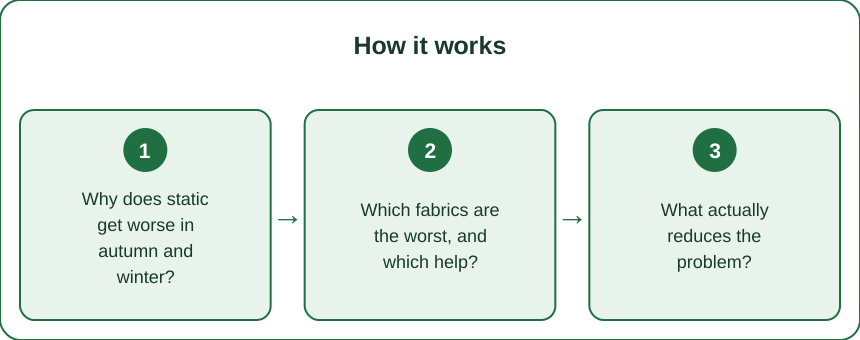
Why does static get worse in autumn and winter?
Because water in the air is what normally carries the charge away.
Static builds through contact and separation. When two materials touch and separate, electrons transfer from one to the other, leaving one positively charged and the other negatively charged. Every step, every time you sit down, every time you pull on a garment, this is happening.
Humid air dissipates the charge continuously. Water molecules in the air, and a thin film of moisture on surfaces, provide a path for charge to leak away as fast as it builds. In a humid summer, static barely accumulates.
Heating dries indoor air dramatically. Cold outdoor air holds very little moisture. When it is brought inside and heated, the relative humidity plummets, often to levels well below comfortable. This is why static season starts the week the heating comes on, not the week the temperature drops.
Synthetics are especially good at holding a charge. Polyester, nylon, and acrylic are electrical insulators, so charge that builds up stays put. Natural fibres like cotton absorb some ambient moisture, which gives the charge somewhere to go.
And pet hair is the ideal thing to attract. It is light, has a large surface area relative to its mass, and picks up an opposite charge readily. A charged synthetic surface will hold it against gravity, brushing, and mild washing.
Which is why the same garment behaves differently in different months. Nothing about the fabric changed. The air did.
Which fabrics are the worst, and which help?
There is a fairly reliable ranking and it maps onto how well each fibre holds moisture.
Worst for static and pet hair:
- Fleece. The combination of a synthetic fibre and a huge raised surface area makes it the single worst material for this. A fleece jacket in a house with a shedding pet is a hair collector.
- Polyester and poly blends. The backbone of most activewear, and a strong charge holder.
- Nylon. Similar, with a tendency to pick up an opposite charge to polyester, which is why a nylon and polyester outfit worn together can be worse than either alone.
- Acrylic knits. Common in cheaper jumpers and among the worst for both static and pilling.
Better:
- Cotton and cotton blends. Absorb ambient moisture, hold much less charge. This is a rare category where cotton beats technical fabric for a practical reason.
- Merino wool. Holds moisture well and is comparatively static-resistant, though it has its own pet hair issue since the fibre structure can trap hair mechanically.
- Smooth, tightly woven synthetics. A smooth nylon shell holds charge and offers hair nothing to grip, so hair brushes off easily. This is why a slick windbreaker is better than a fleece even though both are synthetic.
The practical takeaway. Two things matter independently: how much charge the fabric holds and how much physical grip the surface offers. A smooth charged fabric releases hair with a brush. A textured charged fabric does not. Prioritise smooth surfaces for anything you wear around a shedding pet.
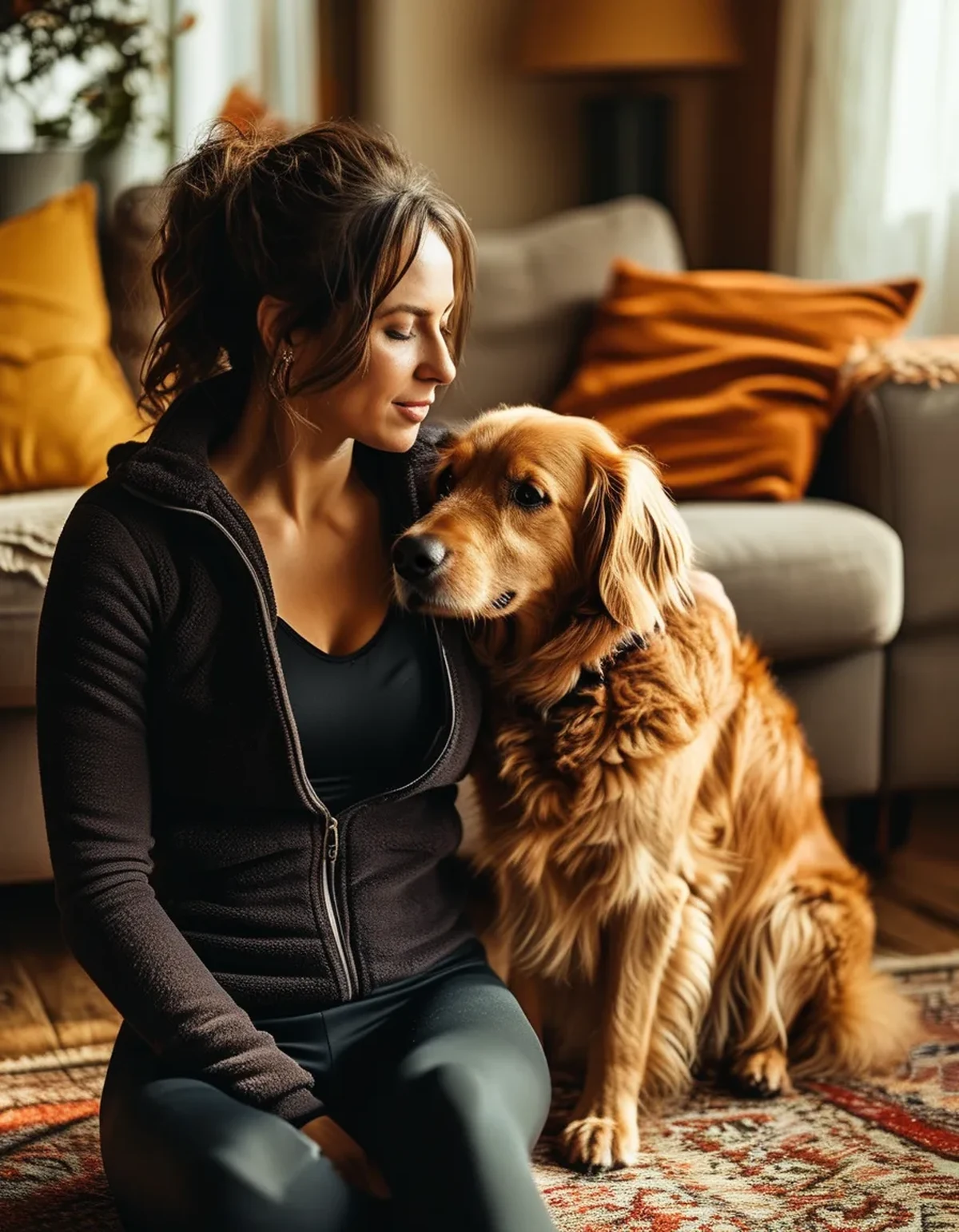
What actually reduces the problem?
In order of how much difference each makes.
1. Raise indoor humidity. This addresses the cause rather than the symptom, and it helps skin, sinuses, and static all at once. A humidifier in the rooms you spend time in, or simply drying laundry indoors, makes a measurable difference. Target humidity in the comfortable middle range rather than as high as possible.
2. Stop tumble drying the affected items. The dryer is a static generator: hours of synthetic fabrics rubbing against each other in hot dry air. Air drying removes the single largest static input in the whole cycle, and it is better for activewear anyway.
3. Wool dryer balls if you must use a dryer. They reduce static meaningfully by separating garments and adding a small amount of moisture, and they are safe for technical fabrics, unlike fabric softener.
4. Never use fabric softener or dryer sheets on activewear. They work well against static and they coat the fibres, which destroys the moisture-wicking function and traps odour. Use them on cotton loungewear if you like, and keep them away from technical kit entirely.
5. Remove hair before washing, not after. Washing hair-covered garments redistributes hair across the whole load and clogs the machine filter. Lint roll or brush first, then wash.
6. A damp cloth beats a lint roller for a full garment. Wiping with a slightly damp cloth or rubber glove neutralises charge and gathers hair in one pass, and it is free.
7. A light mist of water on the garment before wearing. Slightly counterintuitive and genuinely effective for a specific outfit on a specific day. Charge cannot build on a slightly damp surface.
8. Grounding yourself before you get dressed. Touching a metal radiator or tap discharges you, which briefly reduces the effect. This is a quick fix, not a solution.
What Nobody Tells You About Pet Hair and Fabric
Dark clothing is not worse, it is more visible. Light hair shows on dark fabric and dark hair shows on light fabric equally. The reason it feels like dark leggings are the problem is that most people own more dark activewear and most of the visible contrast is light fur on dark synthetic.
Shedding actually increases in autumn. Many dogs and cats have a substantial seasonal coat change in autumn as they grow a winter coat. So the static increase and a genuine shedding increase arrive in the same weeks, which is why it feels sudden and severe.
Hair that has been through the dryer is much harder to remove. Heat and tumbling drive hair into the fabric structure, where it becomes mechanically embedded rather than electrostatically stuck. This is the strongest argument for removing hair before washing.
The machine’s filter is doing more work than you think. A washing machine full of pet hair every week clogs the filter and, in front loaders, can affect drainage. Cleaning the filter monthly during shedding season prevents a genuinely expensive problem.
Rubber gloves are the best tool nobody buys for this. A dry rubber washing-up glove dragged across upholstery or clothing gathers hair into rolls faster and more completely than any lint roller, and it costs almost nothing.
Anti-static spray works and is not fabric softener. Purpose-made anti-static sprays reduce charge without coating the fibres the way softener does. If you need a technical garment to stop attracting hair, this is the option that does not compromise the fabric.
A washing machine cycle with a cup of white vinegar helps both with residue and with static, and it is safe for technical fabrics. It is also the reset wash for detergent buildup, so it does two jobs at once.
FAQ: Pet Hair, Static and Activewear, Answered
Why does pet hair stick to my leggings more in winter?
Because indoor heating dries the air, and dry air lets static charge build on synthetic fabrics instead of dissipating. Polyester and nylon hold charge readily, and light pet hair is easily held against the surface by it.
Can I use fabric softener to stop static on activewear?
No. It works against static and coats the fibres, which destroys moisture-wicking performance and traps odour. Use wool dryer balls or an anti-static spray instead, and save softener for cotton items.
What is the fastest way to get pet hair off clothes?
A dry rubber glove or a slightly damp cloth wiped across the fabric. Both neutralise charge and gather hair in one pass, and both outperform a lint roller on a full garment.
Which fabrics repel pet hair best?
Smooth, tightly woven surfaces, plus cotton and merino which hold less charge. Fleece is the worst combination of a charge-holding fibre and a high-grip surface.
TL;DR:
- Autumn static comes from heating drying the indoor air, which removes the path that normally lets charge dissipate.
- Synthetic activewear holds charge well, and fleece is the worst offender because it also gives hair physical grip.
- Raise indoor humidity, skip the dryer, and use wool dryer balls. Never put fabric softener on technical fabric.
- Remove hair before washing, and use a dry rubber glove rather than a lint roller for a full garment.
Most pets are also shedding harder right now, so it is not only the static. Both fixes are worth doing at once.
See It in Motion
Seen here: High Waist 8” Yoga Shorts — shop similar styles on bubblelime.com
Keep Reading
This article is for general informational and styling purposes only. Fit, sizing, and product availability may vary.